Introduction
Many people struggle with tight hamstrings and lower back pain. These issues can make daily life harder. However, gentle Pilates for tight hamstrings and lower back relief can help. Pilates is a safe, low-impact exercise. It focuses on stretching and strengthening muscles. As a result, it may ease pain and improve movement. In this blog, you will learn how gentle Pilates can help you feel better.
Symptoms and Impact
Often, tight hamstrings cause discomfort in the back of your legs. At the same time, lower back pain can make it hard to move or sit. For example, you may notice:
Because of these symptoms, daily tasks may become tough. Even simple actions like standing up or climbing stairs can hurt. Over time, tight muscles may lead to more pain or injury.
Causes of Tight Hamstrings and Lower Back Pain
There are many reasons why hamstrings become tight and the lower back feels sore. For instance, sitting for long periods can shorten your muscles. In addition, lack of stretching or exercise may make things worse. Sometimes, injuries or poor posture are to blame. Age and certain health conditions can also play a role. According to the CDC, regular movement helps prevent muscle tightness and pain.
How Gentle Pilates Helps
Gentle Pilates for tight hamstrings and lower back relief uses slow, controlled movements. These exercises stretch and strengthen your muscles without strain. Moreover, Pilates focuses on your core, which supports your back. As you practice, you may notice less pain and more flexibility. Many people find that Pilates helps them move better and feel stronger. In fact, studies show that Pilates can reduce back pain and improve muscle balance.
Recommended Gentle Pilates Exercises
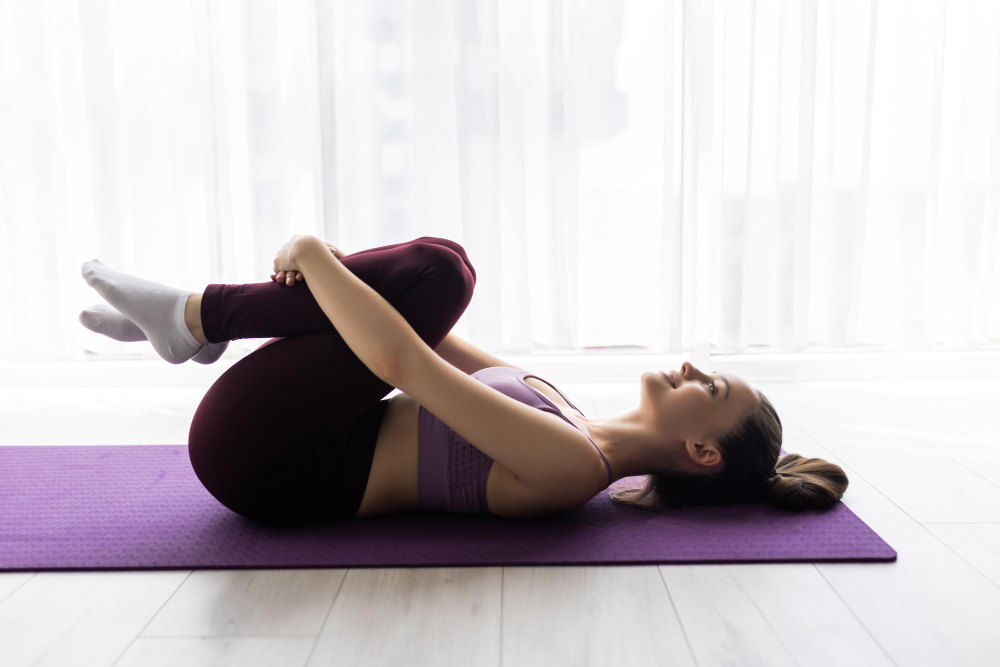
Before you start, remember to move slowly and listen to your body. Here are some safe Pilates stretches and exercises to try:
Try each exercise for 5–10 repetitions. If you feel pain, stop right away.
Safety Tips and Precautions
Although gentle Pilates is safe for most people, you should take care. For example:
Additionally, consider joining Pilates classes near you for expert guidance.
Lifestyle and Prevention Tips
Besides Pilates, some habits can help prevent tight hamstrings and lower back pain. For instance:
With these steps, you can support your body and reduce discomfort.
When to Seek Professional Help
Sometimes, home exercises are not enough. If your pain is severe or lasts more than a few weeks, see a physiotherapist. Also, if you feel numbness, weakness, or sudden pain, get help right away. A trained expert can assess your needs and create a safe plan for you.
Conclusion
Gentle Pilates for tight hamstrings and lower back relief can make a big difference. With regular practice, you may feel less pain and move more easily. However, always listen to your body and stay safe. Consult the physiotherapy team at Motus Physiotherapy Clinic for personalized guidance and a safe, tailored exercise plan.