Foot pain is a common problem that affects many people. Often, the pain centers around the heel or the arch of the foot. Foot pain relief is important because it helps you stay active and comfortable. Proper heel and arch support can make a big difference. In this blog, you will learn about causes, symptoms, and the best techniques for foot pain relief. You will also find tips on choosing the right shoes and when to seek help from a physiotherapist.
Common Causes of Heel and Arch Pain
Many things can lead to heel or arch pain. Understanding the cause helps you find the right foot pain relief. For example, some causes are more common than others.
Symptoms to Watch For
It is important to notice symptoms early. This way, you can start foot pain relief before the pain gets worse. Look for these signs:
If you notice these symptoms, you may need to try some heel pain relief or arch support techniques.
Diagnosis: When to Seek Help
Sometimes, home care is not enough. However, you should see a doctor or physiotherapist if:
Early diagnosis helps you get the best treatment. A physiotherapist can suggest the right foot pain relief plan for you.
Effective Techniques for Foot Pain Relief
There are many ways to ease foot pain. Below, you will find proven techniques for heel and arch support.
Home Remedies
Stretching and Strengthening Exercises
Regular exercises can help with heel pain relief and arch support. For best results, try these simple moves:
These exercises can improve strength and flexibility. As a result, you may feel less pain over time.
Footwear and Orthotic Solutions
Choosing the right shoes is key for foot pain relief. In addition, orthotic inserts can offer extra support. Here are some tips:
If you are unsure, a physiotherapist can help you choose the right footwear or orthotics.
Prevention Tips for Healthy Feet
Preventing foot pain is easier than treating it. Therefore, follow these tips to keep your feet healthy:
These simple steps can help you avoid future pain and discomfort.
When to Consult a Physiotherapist
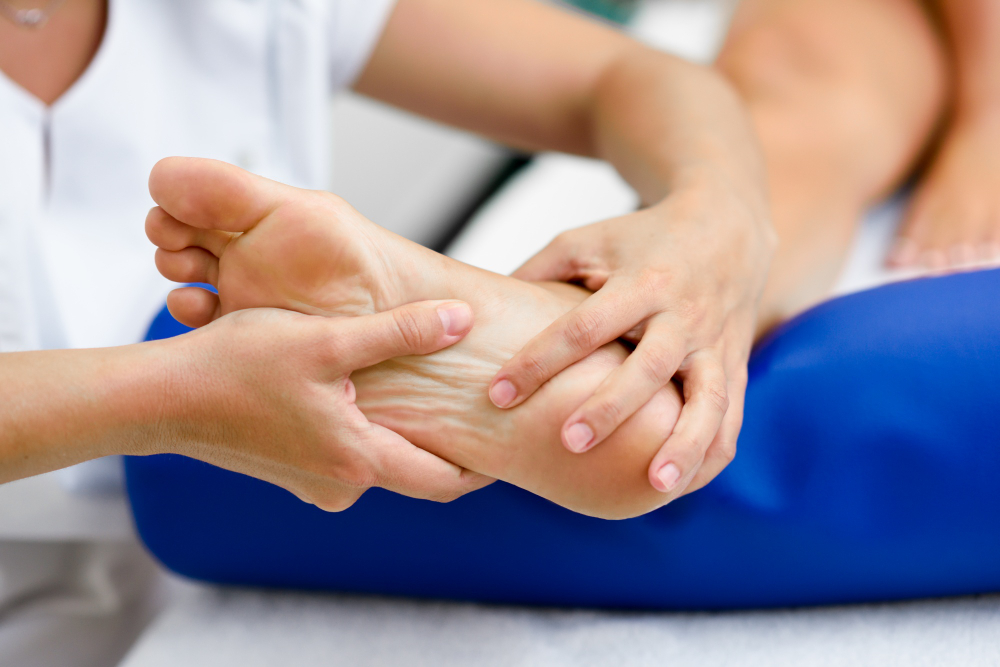
Sometimes, home care is not enough for lasting relief. In such cases, a physiotherapist can help. They can teach you special exercises and suggest the best arch support techniques. Moreover, they may use treatments like taping or ultrasound. If you need more help, search for a physiotherapist near you. Early care can prevent long-term problems and help you stay active.
For personalized foot pain relief and support, consult a physiotherapist at Motus Physiotherapy Clinic . They can guide you to the best solutions for your needs.