Introduction to Pilates and Pelvic Floor Health
Pilates for pelvic floor health is gaining attention for good reason. This gentle exercise method helps strengthen the muscles at the base of your pelvis. These muscles support your bladder, bowel, and uterus. While many think Pilates is only for new mothers, it offers benefits for everyone. In fact, both men and women can improve their pelvic health with Pilates. Moreover, Pilates focuses on breathing, posture, and controlled movement. As a result, it helps your whole body feel stronger and more balanced.
Why Pelvic Floor Strength Matters
Strong pelvic floor muscles are important for daily life. They help control your bladder and bowel. For example, they prevent leaks when you laugh, cough, or sneeze. In addition, these muscles support your core and lower back. Weak pelvic floor muscles can lead to problems such as:
Therefore, keeping these muscles strong is key for comfort and confidence. According to the World Health Organization, pelvic health is vital for overall well-being.
Pilates for Bladder Control and Core Stability
Pilates for bladder control uses gentle movements to target deep muscles. These include your pelvic floor and core. When you do Pilates, you learn to engage these muscles together. As a result, you gain better control over your bladder. In addition, Pilates improves core stability. This means your back and abdomen work together to support your body. Core stability exercises in Pilates help you move with ease and reduce the risk of injury. For many, this means fewer leaks and less discomfort during daily activities.
Benefits for Women’s Health Beyond Postpartum Recovery
Many women try Pilates after childbirth. However, its benefits go far beyond postpartum recovery. For example, women of all ages can use Pilates to:
Furthermore, Pilates for pelvic floor health supports women through every stage of life. It is a safe and gentle way to stay active and strong.
Safe Pilates Exercises for Pelvic Floor Strength
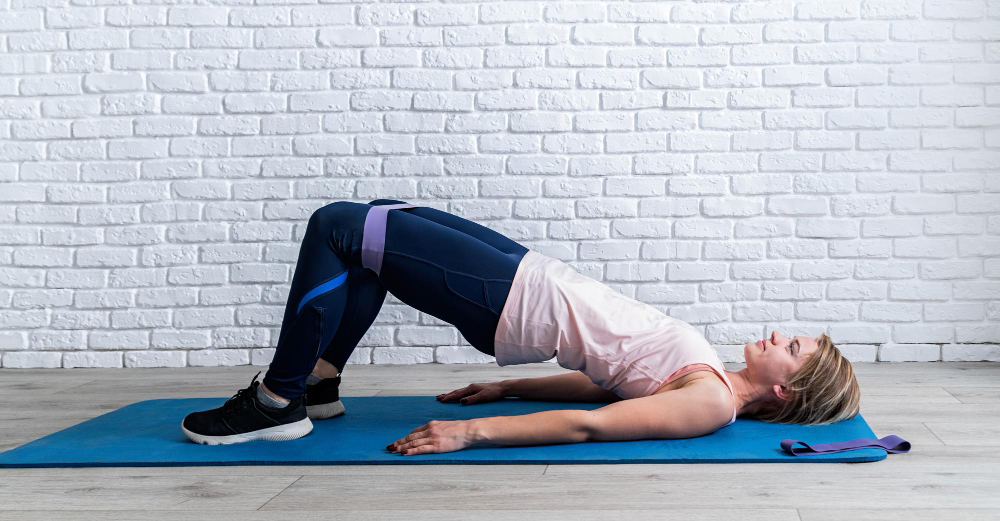
Not all exercises are safe for everyone. However, some Pilates moves are gentle and effective for pelvic floor strength. Here are a few safe Pilates for pelvic floor exercises:
Always start slow and listen to your body. If you feel pain, stop and seek advice. For best results, consider working with a local physiotherapist who understands women’s pelvic health.
Tips for Getting Started and Precautions
Before you begin, it helps to know a few tips. First, choose a certified Pilates instructor with experience in pelvic floor health. Next, wear comfortable clothing and use a mat for support. In addition, remember these tips:
Some people may need extra care, such as those with recent surgery or ongoing pain. Therefore, always check with a doctor or physiotherapist before starting new exercises.
Frequently Asked Questions
In summary, Pilates for pelvic floor health is more than just a postpartum tool. It helps with bladder control, core stability, and overall women’s health. For safe and effective results, consult a qualified physiotherapist at Motus Physiotherapy Clinic for personalized advice on pelvic floor health.