Introduction
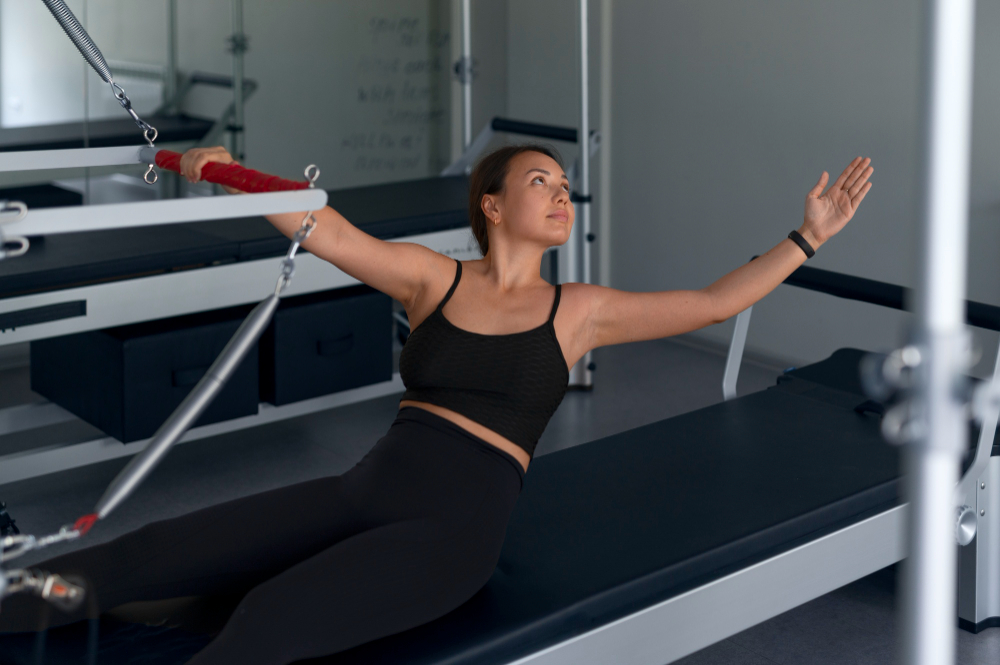
Reformer Pilates for shoulder health is gaining popularity in physical medicine and rehabilitation. This method uses a special machine called a reformer. The reformer helps guide your movements and adds gentle resistance. As a result, it can support your shoulder recovery, improve strength, and boost flexibility. Many people use Reformer Pilates for shoulder pain, injury recovery, or to prevent future problems. In this blog, you will learn about its benefits, safe techniques, and tips for getting started.
Benefits of Reformer Pilates for Shoulder
Reformer Pilates offers many advantages for shoulder health. For example, it can help you regain movement after an injury. In addition, it can build muscle strength and support your joints. Here are some key benefits:
Because the reformer machine offers controlled resistance, you can adjust the intensity to fit your needs. This makes it a safe choice for many people, including those recovering from injuries.
Common Shoulder Issues Addressed
Many people experience shoulder problems at some point. However, Reformer Pilates for shoulder pain can help with several common issues, such as:
For each of these conditions, gentle and guided exercises can help restore movement and reduce discomfort. Always check with your doctor or physiotherapist before starting any new exercise program.
Key Reformer Pilates Techniques for Shoulder
Several Reformer Pilates exercises target the shoulder safely and effectively. For instance, these moves focus on strength, control, and flexibility. Here are some popular techniques:
Because each exercise can be adjusted, you can start slow and increase difficulty as you get stronger. A certified Pilates instructor can guide you through safe Pilates shoulder workouts and make sure you use proper form.
Safety Tips and Precautions
Although Reformer Pilates is generally safe, it is important to follow some safety tips. This helps prevent injury and ensures you get the most benefit. Consider these guidelines:
For best results, listen to your body and never push through pain. If you have a medical condition, talk to your healthcare provider before beginning Reformer Pilates for shoulder rehabilitation.
Who Should Consider Reformer Pilates for Shoulder?
Reformer Pilates for shoulder pain and recovery is suitable for many people. For example, you may benefit if you:
However, people with severe injuries or recent surgeries should seek medical advice first. In many cases, a physiotherapist can design a program that matches your needs.
Prevention and Lifestyle Guidance
Besides exercise, daily habits can support your shoulder health. For instance, you can:
Additionally, eating a balanced diet and staying hydrated can help your muscles recover. If you notice pain or stiffness, address it early to prevent further problems.
Conclusion
Reformer Pilates for shoulder health offers many benefits, including pain relief, strength, and flexibility. With the right guidance, it can support recovery and prevent future injuries. However, always consult a physiotherapist at Motus Physiotherapy Clinic for personalized advice. Your shoulder health matters, so take the first step toward a stronger, pain-free life today.