Introduction
Recovering from orthopedic surgery can feel overwhelming. However, following the right post-orthopedic surgery rehabilitation steps can help you heal faster and regain strength. Rehabilitation after orthopedic surgery is important because it helps restore movement, reduce pain, and prevent future problems. In fact, a good recovery plan can make a big difference in your daily life. This guide explains the main steps and tips for a smooth recovery after surgery.
What is Post-Orthopedic Surgery Rehabilitation?
Post-orthopedic surgery rehabilitation is a process that helps your body heal after surgery on bones, joints, or muscles. For example, after a joint replacement or fracture repair, your doctor may suggest a special recovery plan. This plan often includes physical therapy, exercises, and advice on daily activities. As a result, you can return to your normal routine more quickly and safely.
Common Goals of Rehabilitation
Every recovery plan has clear goals. These goals help guide your progress and keep you motivated. Some common goals of rehabilitation after orthopedic surgery include:
With these goals in mind, your healthcare team will create a plan that fits your needs.
Step-by-Step Rehabilitation Process
Immediate Post-Surgery Care
Right after surgery, your main focus is rest and healing. During this time, doctors may use ice packs, pain medicine, or gentle movements to reduce swelling. In addition, you may need to keep the operated area raised. Nurses will also check for signs of infection or other problems. This early care sets the stage for a safe recovery.
Early Mobilization and Physical Therapy
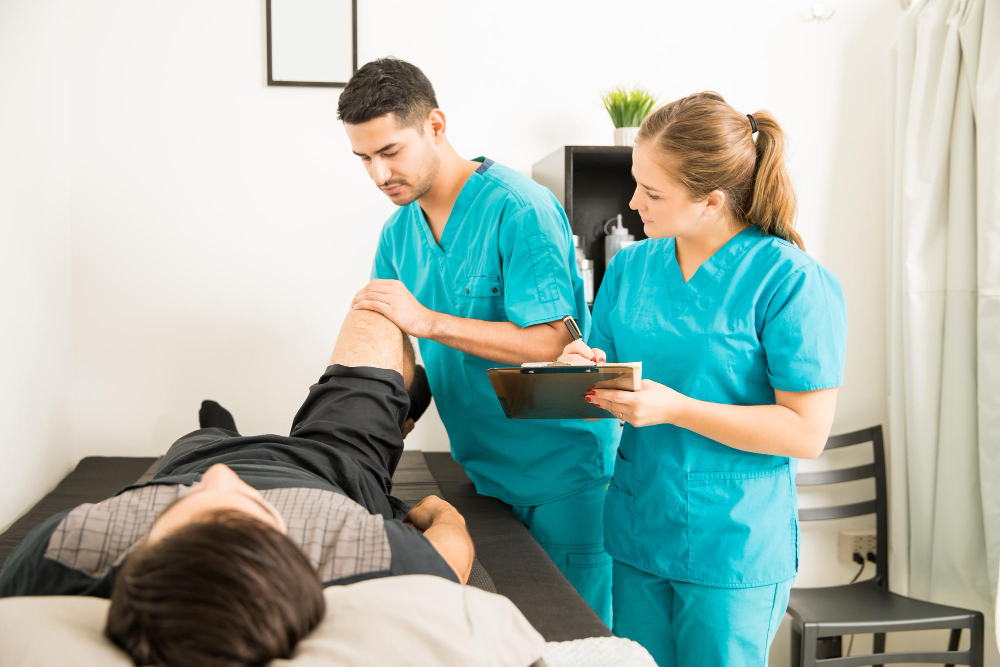
As soon as it is safe, your care team will help you start moving. Early mobilization means getting out of bed and walking with help. Physical therapy often begins within a day or two after surgery. For instance, a therapist may show you simple exercises to keep your joints flexible. Moving early helps prevent blood clots and speeds up healing.
Strengthening and Flexibility Exercises
Once your pain is under control, you will start more active exercises. These exercises focus on building strength and improving flexibility. For example, you may use resistance bands or light weights. Stretching exercises help you move your joints more easily. Over time, these steps help you regain normal movement and reduce stiffness.
Functional Training and Daily Activities
After building some strength, you will practice daily activities. This step is called functional training. You may learn how to walk, climb stairs, or get dressed safely. Therapists also teach you how to use assistive devices, like crutches or walkers, if needed. As you improve, you will do more tasks on your own.
Long-Term Recovery Tips
Even after you leave the hospital, recovery continues at home. Long-term tips include:
Sticking to these habits can help you recover fully and avoid setbacks.
Tips for a Successful Recovery
For the best results, try these helpful tips:
Remember, every person heals at their own pace. However, sticking to your plan can make a big difference.
When to Consult Your Healthcare Provider
Sometimes, problems can happen during recovery. Therefore, you should contact your healthcare provider if you notice:
Early action can prevent serious complications. So, do not hesitate to reach out if you have concerns.
Conclusion
In summary, following the right post-orthopedic surgery rehabilitation steps can help you recover faster and return to your daily life. Each step, from early care to long-term tips, plays a key role in your healing. For the best results, consult a specialist at Motus Physiotherapy Clinic for personalized guidance on your post-orthopedic surgery rehabilitation.