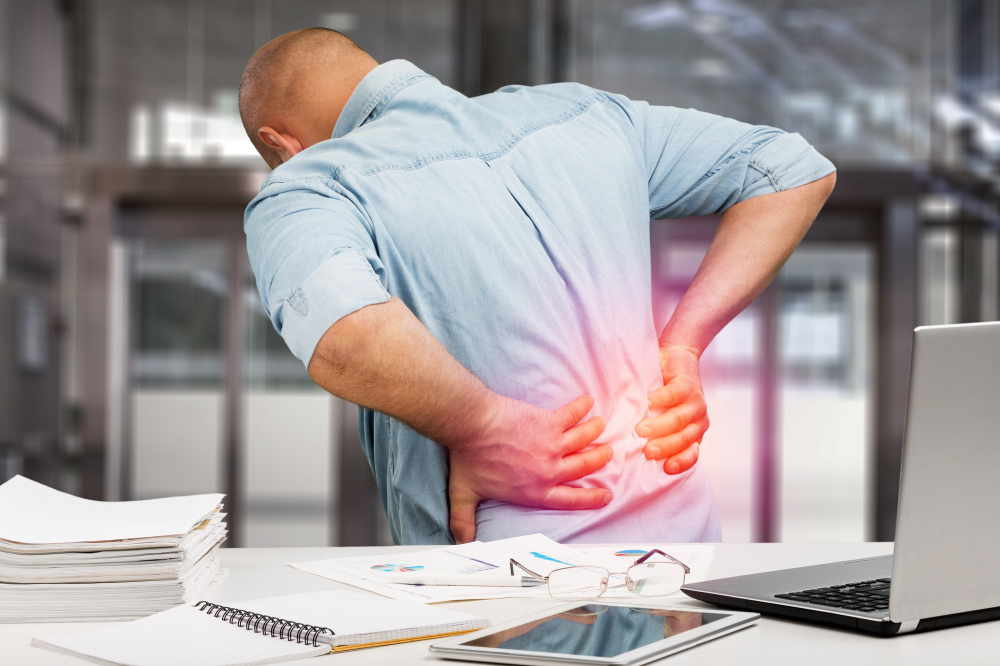
Low back pain is one of the most common conditions affecting individuals worldwide. In fact, up to 80% of people will experience lower back pain at some point in their lives. It is a symptom that can stem from various biopsychosocial conditions, making it one of the leading causes for missed work and doctor visits. Fortunately, most low back pain is related to musculoskeletal conditions and can be successfully treated with appropriate care. By learning about back education, care strategies, and exercises, many individuals can reduce the risk of experiencing low back pain.
Acute Low Back Pain: Causes and Triggers
Acute low back pain is typically caused by a sudden injury to the muscles and ligaments supporting the spine. This type of pain may be caused by:
- Muscle spasms or strain
- Tears in the muscles or ligaments
- Occasionally, more serious underlying conditions
Common Causes of Sudden Low Back Pain:
- Muscle Strain or Spasms
- Spinal Disc Injury
- Compression Fractures (e.g., due to Osteoporosis)
- Sciatica
- Spine Cancer
- Non-musculoskeletal causes like infections or systemic diseases
Chronic Low Back Pain: Potential Causes
Over time, low back pain can evolve into a chronic condition, especially if left untreated. Common chronic causes of lower back pain include:
- Muscle-related injuries
- Core stability deficiencies
- Delayed Onset Muscle Soreness (DOMS)
- Poor posture
- Fibromyalgia
- Stress fractures (often related to activities or osteoporosis)
- Osteoporosis
- Scheuermann’s Disease
- Scoliosis or Spinal Stenosis
- Spondylolysis or Spondylolisthesis
- Disc-related injuries
- Facet joint pain
- Nerve-related injuries
- Sacroiliac joint dysfunction
- Piriformis Syndrome
- Pregnancy-related pain
- Systemic diseases, like Rheumatoid Arthritis
Treatment for Lower Back Pain
The best treatment for lower back pain begins with an accurate diagnosis to determine the underlying cause. Once the specific spinal issues or pathologies are identified, the primary treatment plan can be determined. In most cases, lower back pain is categorized as either radicular pain or non-specific lower back pain (NSLBP), both of which can be treated effectively with physiotherapy.
How Physiotherapy Can Help Manage Lower Back Pain
Physiotherapy plays a key role in managing most cases of low back pain, especially mild to moderate conditions. A physiotherapist can assess the cause of your pain and create a tailored treatment plan to help alleviate discomfort and restore mobility. Treatment typically involves:
- Back pain relief & protection: Techniques and modalities to reduce pain and inflammation.
- Restoring normal range of motion (ROM): Stretching and mobilization exercises to improve joint flexibility.
- Strengthening exercises: Focused on core strength and the muscles supporting the lower back to prevent further injury.
- Preventing recurrence: Education on posture, ergonomics, and proper body mechanics to avoid future back problems.
Physiotherapy Approaches:
- Manual Therapy: Hands-on techniques to mobilize joints and improve movement.
- Core Stability Exercises: These help build a stronger core to support the spine and reduce stress on the lower back.
- Stretching and Mobility Exercises: Aimed at improving flexibility and alleviating stiffness in the back and surrounding muscles.
- Strengthening Exercises: These target the muscles of the back, pelvis, and abdomen to provide better support.
- Posture Education: Guidance on posture and body mechanics to avoid strain on the back during daily activities.
Key Aims of Physiotherapy for Lower Back Pain:
- Pain Relief: Alleviate the discomfort associated with lower back pain.
- Restoring ROM and Strength: Improve the movement and strength of the affected areas.
- Restoring Full Function: Return to normal daily activities without pain or restriction.
- Preventing Recurrence: Help you avoid future episodes of back pain through education, exercises, and lifestyle modifications.