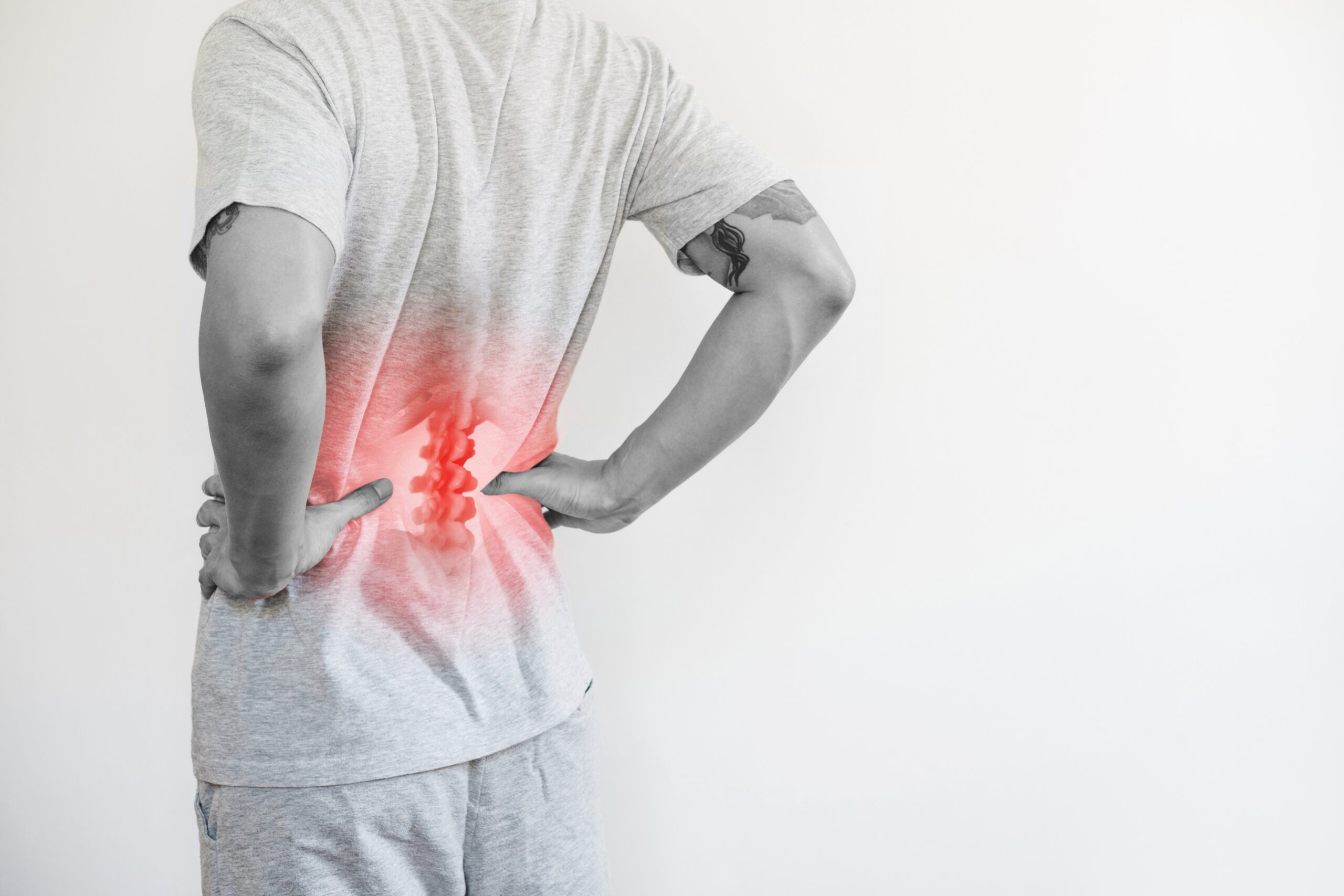
Chronic Pain is pain that persists beyond the usual recovery time or continues for more than 3 months after healing is complete. It can affect both adults and children and may result from tissue damage, inflammation, or in some cases, no identifiable cause at all. Chronic pain can be localized to a specific area of the body, such as in Complex Regional Pain Syndrome, low back pain (LBP), or pelvic pain, or it can be widespread, like in fibromyalgia.
Chronic pain can significantly impact an individual’s physical, social, and psychological well-being, often leading to long-term disability and a poor quality of life. Individuals with chronic pain may experience difficulty with daily tasks, relationships, and maintaining an active lifestyle. In many cases, managing chronic pain requires a multidisciplinary approach, with a team of specialists working together to address the physical, mental, and emotional aspects of the condition.
Signs and Symptoms of Chronic Pain Syndrome
Chronic pain can manifest in various ways, affecting an individual physically, mentally, and emotionally. Common signs and symptoms include:
- Fearfulness: Fear of pain or movement, which can limit function and lead to inactivity.
- Body Stiffness: Difficulty in moving, often caused by muscle tightness or joint issues.
- Deconditioning: Physical decline due to a lack of movement or activity, leading to muscle weakness and reduced stamina.
- Decreased Circulation: Reduced blood flow to affected areas, which can exacerbate pain.
- Weight Gain or Worsening of Other Health Conditions: Chronic pain can lead to reduced activity, potentially contributing to weight gain and the worsening of related health issues like diabetes or hypertension.
- Increased Use of Medication: Over-reliance on painkillers or other medications to manage pain, which can have side effects and may not address the underlying cause.
How Can Physiotherapy Help Manage Chronic Pain Syndrome?
Physiotherapy is a highly effective approach in managing chronic pain by addressing the physical, psychological, and functional limitations caused by the condition. Specialist physiotherapists at our clinic use a variety of treatment techniques to help individuals with chronic pain manage their symptoms and improve their quality of life.
Treatment Techniques for Chronic Pain Syndrome:
- Manual Therapy: Hands-on techniques such as massage, mobilizations, and manipulations to relieve muscle tension, improve joint mobility, and reduce pain.
- Acupuncture: A traditional therapy that uses fine needles to stimulate specific points on the body to alleviate pain, improve circulation, and promote healing.
- Therapeutic Exercise: Custom-designed exercise programs aimed at improving strength, flexibility, and endurance, which help reduce pain and improve overall function.
- Strengthening and Flexibility Exercises: Targeted exercises to strengthen weak muscles and increase flexibility, which can reduce pain, improve posture, and prevent future injuries.
- Cognitive Behavioral Therapy (CBT) Advice: Helping individuals manage pain-related thoughts and emotions. CBT can be incorporated as part of physiotherapy to reduce pain perception and address the emotional aspects of chronic pain.
- Patient Education: Teaching patients how to manage pain on a daily basis, including strategies for improving posture, pacing activities, and incorporating relaxation techniques into their routine.
- Posture Awareness and Body Mechanics Education: Correcting posture and body mechanics to reduce strain on the body and minimize pain.
- Relaxation Techniques: Teaching techniques such as deep breathing, progressive muscle relaxation, and mindfulness to help manage stress and reduce muscle tension, which can exacerbate pain.
Benefits of Physiotherapy for Chronic Pain:
- Pain Relief: Through manual therapy, exercises, and relaxation techniques, physiotherapy can significantly reduce pain.
- Improved Mobility: Physiotherapy helps restore joint and muscle mobility, making it easier to perform everyday activities.
- Increased Strength and Flexibility: Regular exercise and strength training can help improve muscle strength and flexibility, reducing the risk of future injury.
- Reduced Dependence on Medications: Physiotherapy can reduce the need for pain medications by offering natural methods of pain management.
- Enhanced Quality of Life: Physiotherapy focuses on improving functionality, allowing individuals to engage more fully in daily activities, improving social interactions, and boosting overall well-being.