- motusphysioclinic@gmail.com
- Gachibowli, Hyderabad
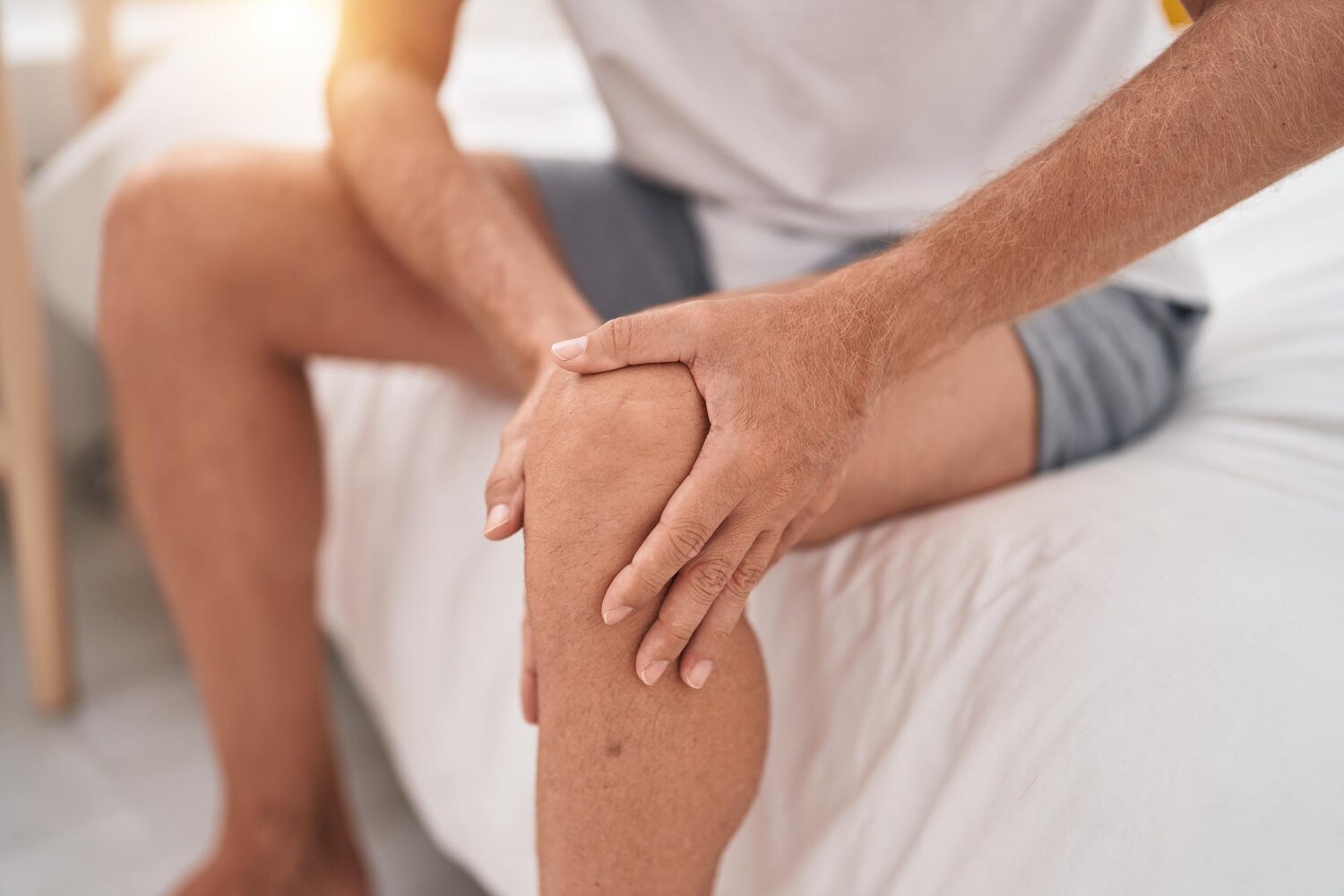
Knee replacement, or knee arthroplasty, is a surgery performed to replace the load-bearing surfaces of the knee joint to reduce pain and disability. It is most commonly performed for osteoarthritis, and also for other knee injuries or diseases like rheumatoid arthritis and psoriatic arthritis. The procedure can be performed via two types: partial (half) knee replacement or total (full) knee replacement. The surgery involves replacing the damaged joint surfaces with metal and ceramic components designed to allow pain-free, functional movement of the knee.
Pre-Operative Physiotherapy
Before the surgery, you might be prescribed a course of physiotherapy to prepare your knee and surrounding muscles for the procedure. Studies show that better muscle strength and knee range of motion before surgery contribute to a faster and more effective recovery post-operation.
Post-Operative Physiotherapy
Many patients begin to feel better within two weeks after total knee replacement surgery. Physiotherapy plays a key role in the recovery process, focusing on restoring knee movement, strength, and improving quality of life. Post-operative physiotherapy treatment aims to:
Most people can return to daily activities following a successful knee replacement surgery. However, due to the nature of the knee prosthesis, high-impact activities like running, skiing, and jumping are generally not recommended. Lower-impact sports such as golf, bowls, and swimming are encouraged.
Losing just 10 kilograms of weight can significantly reduce the strain on your knees and help alleviate joint pain!
Book your appointment now and experience expert physiotherapy care tailored to your needs for faster recovery and better mobility.