
Introduction
Osteoarthritis is a common joint problem that causes pain and stiffness. Many people find it hard to move or do daily tasks. However, physiotherapy for osteoarthritis can help manage joint pain and improve function. With the right exercises and support, you can feel better and stay active. In this blog, you will learn how physiotherapy helps, what to expect, and tips for getting the most from your sessions.
What is Osteoarthritis?
Osteoarthritis is a condition where the cartilage in your joints wears down over time. As a result, bones may rub together, causing pain and swelling. This condition often affects the knees, hips, hands, and spine. Although it is more common in older adults, anyone can develop osteoarthritis. According to the World Health Organization (WHO), osteoarthritis is one of the leading causes of disability worldwide.
Common Symptoms of Osteoarthritis
People with osteoarthritis may notice several symptoms. For example, you might feel pain in your joints, especially after moving or at the end of the day. Other common signs include:
However, symptoms can vary from person to person. If you notice these signs, it is important to talk to your doctor.
How Physiotherapy Helps Manage Joint Pain
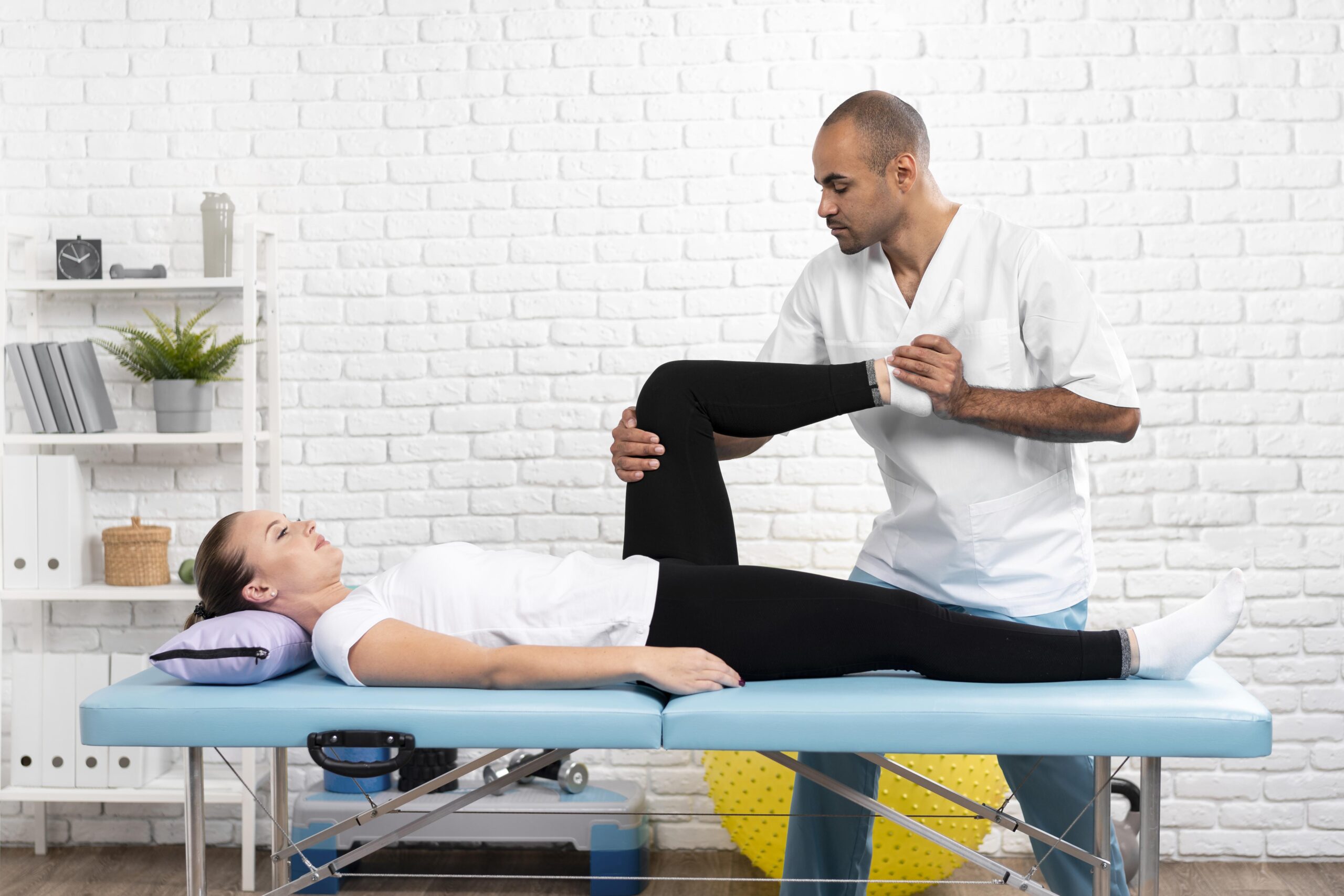
Physiotherapy for osteoarthritis focuses on reducing pain and making movement easier. First, a physiotherapist will assess your joints and muscles. Then, they will create a plan just for you. This plan may include gentle exercises, stretches, and advice on daily activities. In many cases, physiotherapy can reduce the need for pain medicines. According to the Centers for Disease Control and Prevention (CDC), regular physiotherapy can help people with osteoarthritis move better and feel less pain.
Physiotherapy Techniques to Improve Function
There are several techniques that physiotherapists use to help people with osteoarthritis. For example, they may teach you:
In addition, your physiotherapist may suggest joint pain relief exercises you can do at home. These exercises are safe and easy to follow. Over time, you may notice better movement and less discomfort.
Benefits of Regular Physiotherapy for Osteoarthritis
Regular physiotherapy offers many benefits for people with osteoarthritis. Not only can it help reduce pain, but it can also improve your quality of life. Some key benefits include:
Because physiotherapy is tailored to your needs, it is a safe and effective way to manage osteoarthritis.
Tips for Getting the Most from Physiotherapy
To get the best results from physiotherapy for osteoarthritis, it helps to follow some simple tips. For instance:
Above all, stay patient and positive. Improvement may take time, but every step counts.
Prevention and Lifestyle Guidance
While you cannot always prevent osteoarthritis, some lifestyle choices can help protect your joints. For example, maintaining a healthy weight reduces stress on your knees and hips. In addition, staying active with low-impact exercises, such as walking or swimming, keeps your joints flexible. Eating a balanced diet supports joint health as well. If you smoke, quitting can also lower your risk of joint problems. Finally, listen to your body and rest when needed.
Conclusion
Osteoarthritis can make daily life challenging, but physiotherapy offers real hope. With the right support, you can manage joint pain and improve your function. If you have joint pain or stiffness, consult a physiotherapist at Motus Physiotherapy Clinic for personalized osteoarthritis management.