
Introduction
Building exercise confidence through guided training can help people enjoy physical activity and reach their goals. Many people feel unsure about starting or keeping up with exercise. However, physiotherapy offers a safe and supportive way to build confidence and motivation. In many cities, physiotherapists use guided training to help people feel stronger and more secure in their exercise routines.
What Is Exercise Confidence?
Exercise confidence means believing in your ability to start and stick with physical activity. For example, you may feel sure you can walk every day or try a new sport. When you have exercise confidence, you are more likely to enjoy moving your body. In addition, you may find it easier to try new exercises or keep going when things get tough. The World Health Organization (WHO) says that regular activity is important for health, but confidence is key to making it a habit.
The Role of Physiotherapy in Building Exercise Confidence
Physiotherapists are trained to help people move better and feel stronger. They use guided training to teach safe exercise habits. As a result, you learn how to move with less pain and more control. Physiotherapists also give support and feedback, so you know you are doing things right. In many cases, they help people set small, clear goals. This step-by-step approach helps build trust in your own abilities. Furthermore, physiotherapy can help people of all ages and fitness levels.
Common Barriers to Exercise Confidence
Many people face barriers that make exercise feel hard. Some common barriers include:
However, these barriers are normal and can be overcome with the right support. For instance, guided training can address each of these concerns in a safe way.
How Guided Training Helps Overcome These Barriers
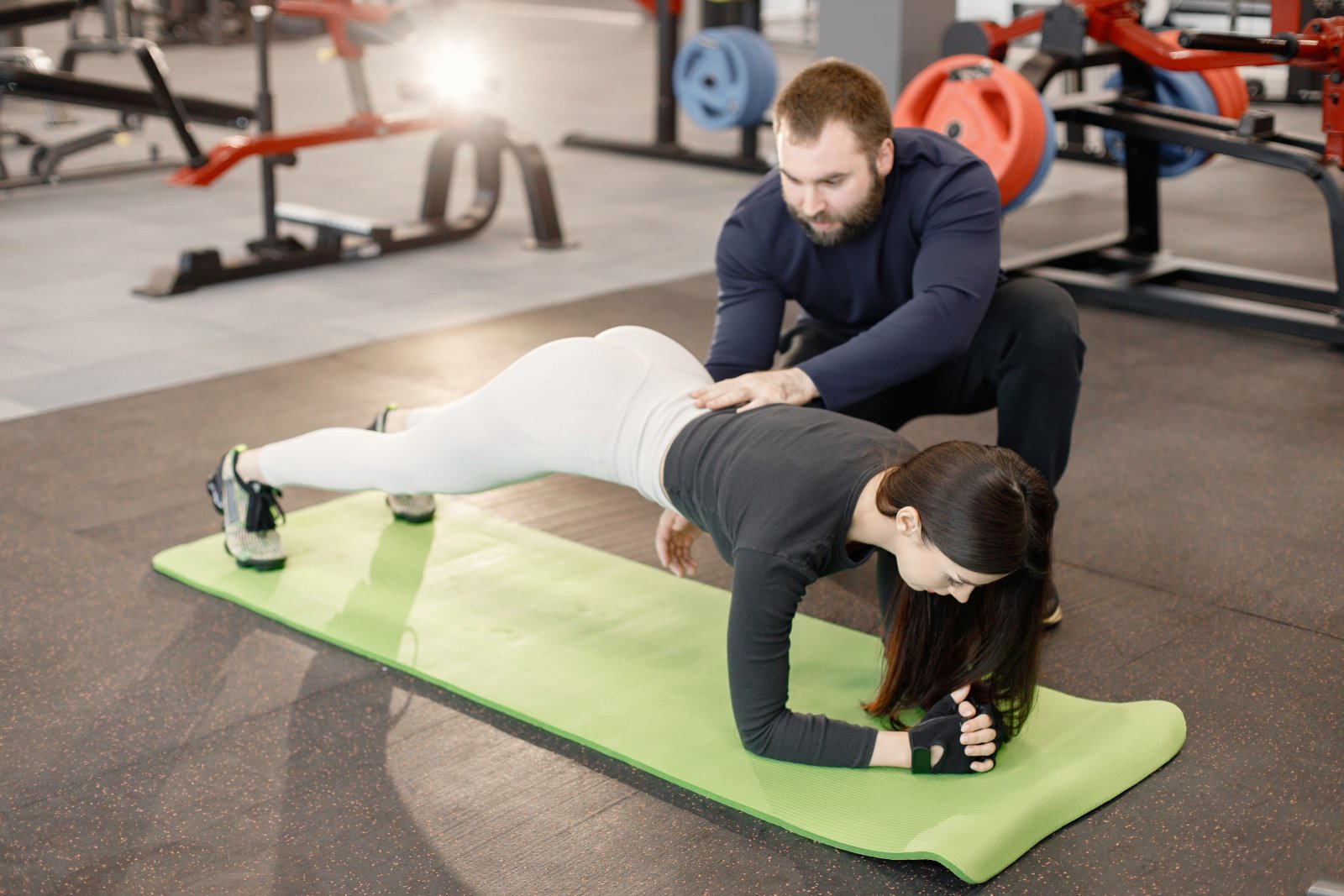
Guided training means working with a physiotherapist who leads you through each step. First, you learn how to do exercises safely. Next, you get feedback to improve your form. Because you work at your own pace, you feel less pressure. In addition, your physiotherapist can adjust exercises if you feel pain or discomfort. Over time, you see progress and feel more confident. Many people find that guided training also boosts their motivation and enjoyment.
Step-by-Step Process of Guided Training in Physiotherapy
Physiotherapy guided training often follows a clear process:
Throughout this process, you gain skills and confidence. For example, you might start with gentle stretches and later move on to strength training. This step-by-step approach keeps you safe and motivated.
Tips for Maintaining and Growing Exercise Confidence
Once you start to feel more confident, it is important to keep building on your progress. Here are some helpful tips:
Additionally, remember that confidence grows over time. Even small steps can make a big difference in how you feel about exercise.
Conclusion:
Exercise becomes easier and safer with the right guidance. A personalised physiotherapy approach focuses on improving strength, mobility, balance, and movement patterns, helping you build confidence and progress towards your fitness and recovery goals.
Ready to move with more confidence and comfort?
Consult Motus Physiotherapy Clinic for personalised exercise training and rehabilitation support.