Diastasis recti recovery is important for many people, especially after pregnancy. Diastasis recti means the muscles in the middle of your belly have separated. This can happen during or after pregnancy, but sometimes it affects others too. However, there are ways to help your body heal. Physiotherapy and Pilates are two gentle options that support recovery. Both methods use safe exercises to strengthen your core and help your body feel better.
What Is Diastasis Recti?
Diastasis recti happens when the left and right belly muscles move apart. Usually, these muscles run down the middle of your stomach. During pregnancy, your belly stretches to make room for the baby. As a result, the muscles can separate. Sometimes, this gap does not close on its own. Although it is common in new mothers, men and children can also get it. The condition is also called postpartum abdominal separation.
Common Symptoms and Causes
Many people do not notice diastasis recti right away. Still, some signs can help you spot it. For example, you might see a bulge or a dip in the middle of your belly, especially when you sit up. Other symptoms can include:
Pregnancy is the most common cause. However, lifting heavy things, quick weight changes, or certain exercises can also lead to this problem. In addition, genetics may play a role. According to the World Health Organization (WHO), muscle weakness and stretching are key factors.
How Is Diastasis Recti Diagnosed?
Doctors and physiotherapists can check for diastasis recti during a physical exam. First, you may be asked to lie on your back and lift your head slightly. Then, the provider feels along your belly to check for a gap. Sometimes, they use a tape measure or ultrasound for a more accurate result. In most cases, no special tests are needed. However, if you have pain or other problems, your doctor may suggest more tests to rule out other issues.
The Role of Physiotherapy in Diastasis Recti Recovery
Physiotherapy treatment for diastasis recti is gentle and safe. A trained physiotherapist will guide you through special exercises. These movements help close the gap and make your core stronger. For example, you may learn how to breathe deeply and use your belly muscles the right way. In many cases, physiotherapy also helps improve posture and reduce back pain. Additionally, your therapist will show you how to move safely in daily life. This support can speed up recovery and lower the risk of injury.
According to the CDC, working with a professional is the safest way to heal.
How Pilates Supports Healing and Core Strength
Pilates is a gentle form of exercise that focuses on the core. For people with diastasis recti, safe Pilates for diastasis recti can help close the gap. Many Pilates moves use slow, controlled actions. As a result, you can build strength without straining your belly. In addition, Pilates teaches you how to breathe and move with good posture. Over time, these skills help support your back and improve balance. However, it is important to choose exercises that do not make the gap worse.
Always ask a trained instructor for advice before starting Pilates after pregnancy.
Safe Exercises and Techniques for Recovery
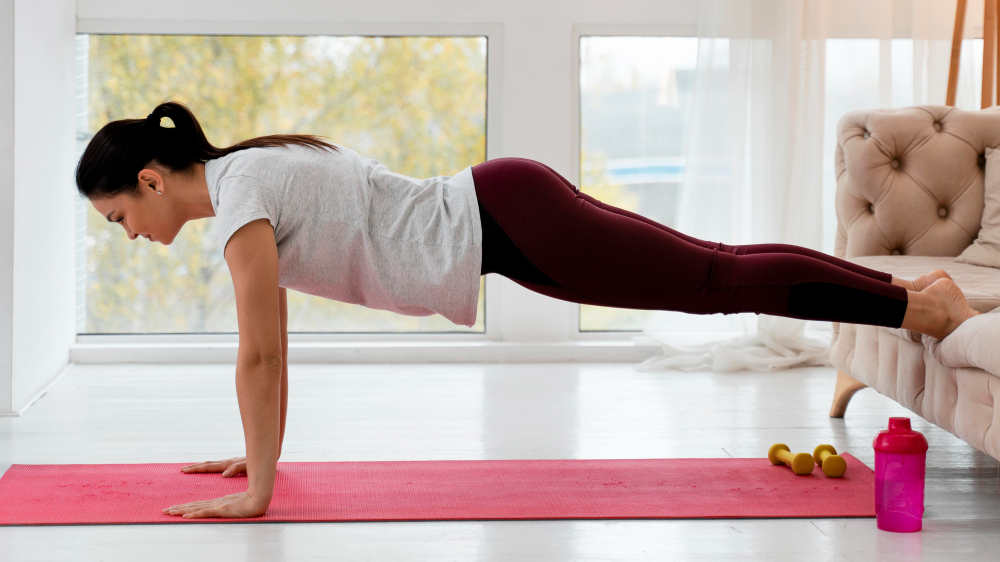
Not all exercises are safe for diastasis recti recovery. Some movements, like crunches or sit-ups, can make the gap wider. Instead, gentle core strengthening exercises are best. For example, your physiotherapist or Pilates teacher may suggest:
Before trying new exercises, always check with a health professional. In many cases, slow progress is safer and more effective. As you get stronger, you can add more activities. However, stop any exercise that causes pain or bulging in your belly.
Prevention Tips and Lifestyle Guidance
Even though diastasis recti is common, you can lower your risk with a few simple steps. For instance, always use good posture when lifting or moving. In addition, try to avoid heavy lifting during pregnancy. Gentle exercise, like walking or swimming, can help keep your core strong. If you are pregnant, ask your doctor about safe activities. After giving birth, wait for your provider’s advice before starting new workouts. Eating healthy foods and staying hydrated also support healing. Remember, slow and steady progress is best for your body.
Conclusion
If you think you may have diastasis recti or want help with recovery, Motus Physiotherapy Clinic is here for you. Book a consultation to get a personalized care plan and support for your core health.