
Introduction
The anterior cruciate ligament (ACL) is a strong band inside your knee. It helps keep your knee stable. When this ligament tears, it is called an ACL injury. Many people get this injury during sports or sudden movements. Physiotherapy for ACL injury recovery is a key part of healing. It helps you regain strength, movement, and confidence. In this guide, you will learn about symptoms, causes, treatment, and tips for a safe recovery.
Symptoms of ACL Injury
After an ACL injury, you may notice several signs. For example, you might hear a popping sound at the time of injury. Often, your knee will swell within a few hours. You may also feel pain or weakness. Sometimes, your knee feels unstable or gives way when you try to stand or walk. In addition, you might have trouble bending or straightening your knee. If you notice these symptoms, it is important to seek help quickly.
Causes and Risk Factors
ACL injuries often happen during sports that involve sudden stops or changes in direction. For instance, soccer, basketball, and skiing are common causes. However, anyone can injure their ACL. Some risk factors include:
Additionally, women are at higher risk due to differences in anatomy and muscle strength.
Diagnosis of ACL Injuries
Doctors use several steps to diagnose an ACL injury. First, they will ask about your symptoms and how the injury happened. Next, they will check your knee for swelling, pain, and movement. Sometimes, they use special tests to check the ligament. In many cases, an MRI scan helps confirm the injury. X-rays may also be used to rule out broken bones. Early diagnosis is important for the best recovery.
Role of Physiotherapy in ACL Recovery
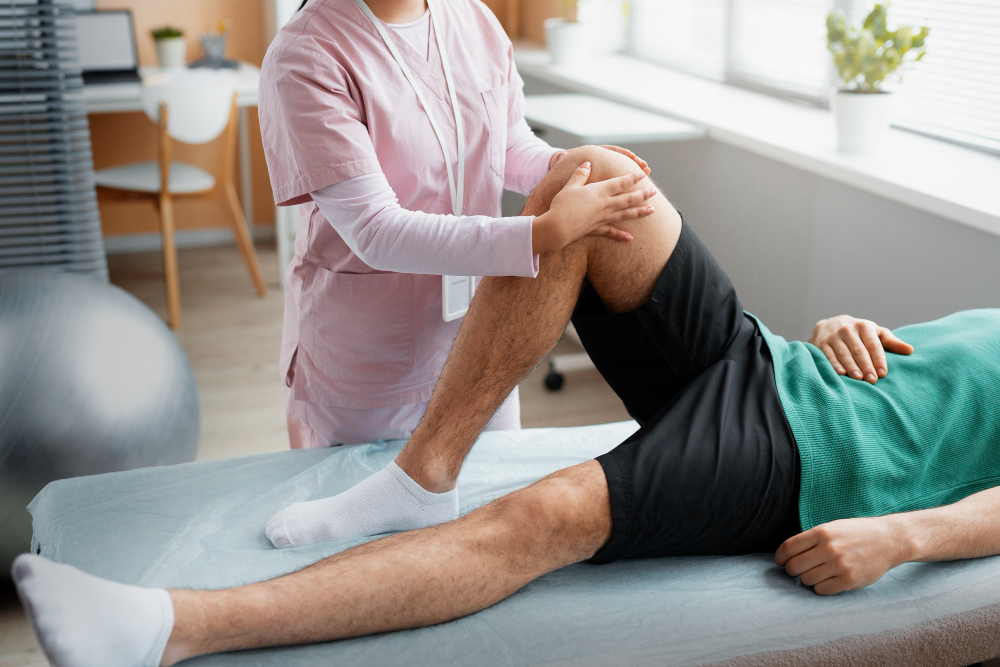
Physiotherapy plays a major role in ACL injury recovery. It helps reduce pain and swelling. Moreover, it restores knee strength and flexibility. Physiotherapists create a plan that fits your needs. They guide you through safe exercises and teach you how to move without hurting your knee. In some cases, physiotherapy can help you avoid surgery. Even after surgery, it speeds up healing and helps you return to daily activities.
Key Physiotherapy Techniques and Exercises
Physiotherapists use many techniques to help you recover. Some common methods include:
For example, you may start with simple movements like straightening your knee. Later, you will progress to walking, squats, and even running. Your physiotherapist will adjust your plan as you improve.
Recovery Timeline and What to Expect
Recovery from an ACL injury takes time. However, each person heals at a different pace. Here is a general timeline:
Even so, full recovery may take 6 to 12 months, especially for athletes. Always follow your physiotherapist’s advice for the best results.
Tips for Safe and Effective Rehabilitation
To recover well, you need to follow some key tips. For instance:
Additionally, keep a positive mindset. Recovery can be slow, but steady progress is normal.
Prevention of Future ACL Injuries
After recovery, you can take steps to prevent another ACL injury. For example, you should:
Moreover, regular physiotherapy check-ups can help you maintain knee health.
When to Consult a Physiotherapist
If you have knee pain, swelling, or trouble moving, it is wise to see a physiotherapist. Early treatment leads to better outcomes. Even after surgery, physiotherapy is vital for full recovery. If you notice new symptoms or your knee feels unstable, do not wait. A physiotherapist can assess your knee and guide you safely back to activity.
In summary, physiotherapy for ACL injury recovery is essential for healing and preventing future problems. For the best results, consult a qualified physiotherapist at Motus Physiotherapy Clinic for a plan tailored to your needs.