
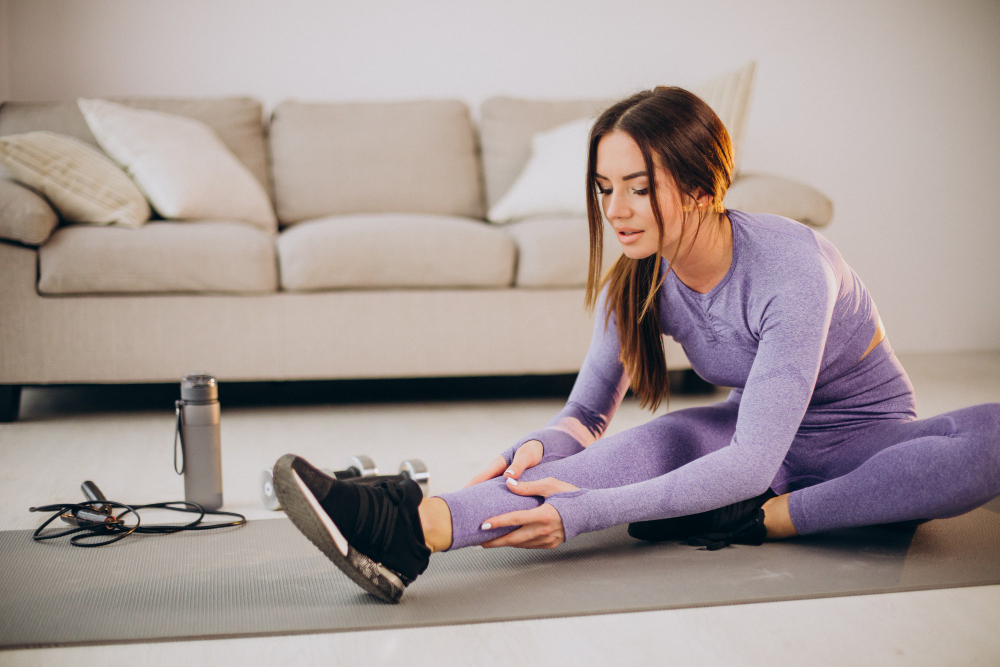
Sports sprains are common injuries that can happen to anyone. Managing sports sprains at home is important for quick and safe recovery. Many people get sprains while playing sports or doing daily activities. With the right steps, you can treat most mild sprains at home. However, knowing when to seek medical help is also important. This guide will help you understand sprains, their causes, and the best ways to manage them at home.
What Are Sports Sprains?
A sprain is an injury to a ligament. Ligaments are strong bands that connect bones at a joint. When you stretch or tear a ligament, it causes a sprain. Unlike strains, which affect muscles or tendons, sprains only involve ligaments. For example, twisting your ankle during a game can cause a sprain. Sprains can happen in the ankle, knee, wrist, or thumb. They often cause pain, swelling, and trouble moving the joint.
Common Causes and Symptoms
Sports sprains often happen during physical activities. However, they can also occur during simple daily movements. Here are some common causes:
Sprains have clear signs. Look for these symptoms:
Immediate Steps After a Sprain
Acting quickly can help reduce pain and swelling. The R.I.C.E. method is a trusted first aid approach. According to the CDC, it is safe and effective for most mild sprains. Here’s what to do:
For best results, start these steps as soon as possible after the injury.
Home Management Techniques
After the first aid, you can continue treating sprains at home. Many people look for home remedies for sports sprains. Here are some safe ways to help recovery:
However, avoid massaging the area right after the injury. Also, do not use heat in the first 48 hours. These steps can help you recover from a sprain safely at home.
When to See a Doctor
Most mild sprains heal with home care. But sometimes, you need to see a healthcare professional. Watch for these warning signs:
If you notice any of these, seek medical help right away. Early treatment can prevent further problems.
Prevention Tips for Sports Sprains
Preventing sprains is better than treating them. Here are some tips to lower your risk:
By following these habits, you can enjoy sports while staying safe.
In summary, managing sports sprains at home is possible with the right steps. However, always listen to your body. If you are unsure or symptoms get worse, consult your doctor at Motus Physiotherapy Clinic for personalized advice and care.