
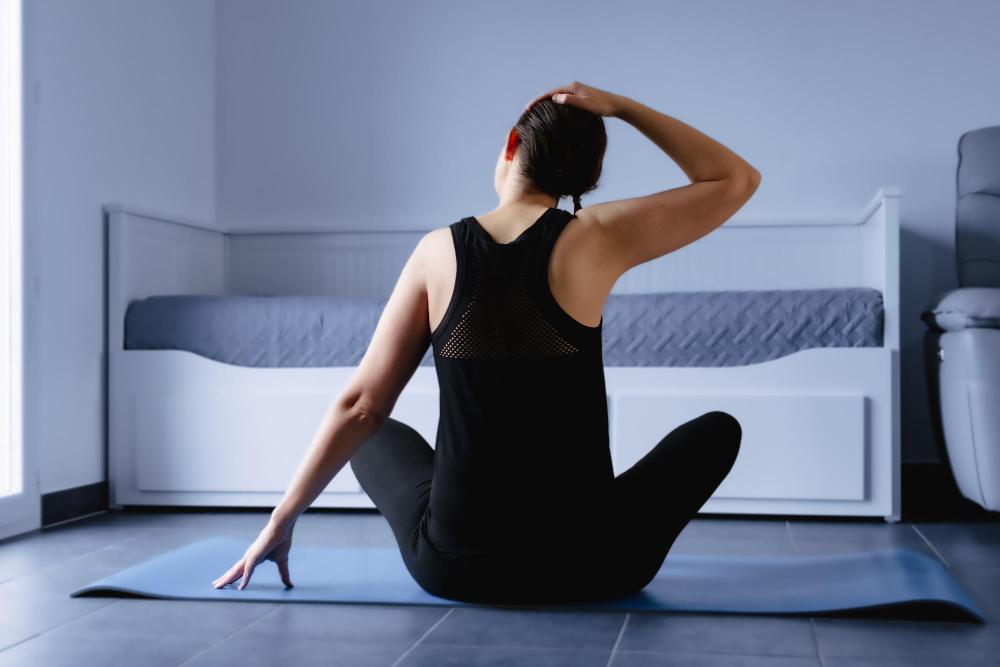
What Is Neck Pain and Upper Back Stiffness?
Many people feel neck pain and upper back stiffness at some point. These problems can make it hard to move or do daily tasks. Often, the pain starts slowly and gets worse over time. In some cases, it may come on suddenly after an injury. For many, the discomfort is mild. However, others may feel sharp pain or tightness that limits movement.
Neck pain and upper back stiffness can affect anyone. Yet, people who sit at desks or use computers for long hours notice it more. Sometimes, the pain spreads to the shoulders or arms. Because of this, finding ways to manage these symptoms is important. Pilates for neck pain and upper back stiffness is one option that many people find helpful.
How Pilates Helps with Neck Pain and Upper Back Stiffness
Pilates is a gentle form of exercise. It focuses on building core strength, improving posture, and increasing flexibility. As a result, Pilates can help relieve neck and upper back pain. When you practice Pilates, you learn to move with better control. This can reduce strain on your neck and upper back muscles.
In addition, Pilates teaches you to use your breath and body together. This helps you relax tight muscles and improve blood flow. Over time, regular Pilates may help prevent pain from coming back. According to the Centers for Disease Control and Prevention (CDC), staying active with safe exercises can lower pain and stiffness.
Common Causes of Neck Pain and Upper Back Stiffness
There are many reasons why people develop neck pain and upper back stiffness. For example, poor posture is a common cause. Sitting hunched over a desk or looking down at a phone can strain muscles. In some cases, stress or anxiety can make muscles tense up. Additionally, injuries from falls or accidents may lead to pain and stiffness.
Other causes include:
Because these causes are common, many people look for ways to manage pain. Pilates exercises for upper back stiffness can be a helpful part of a care plan.
Key Pilates Exercises for Relief
When done safely, Pilates can help relieve neck and upper back pain. Below are some gentle Pilates exercises for upper back stiffness and neck pain. Always move slowly and stop if you feel pain.
For best results, consider joining Pilates classes near you. Trained instructors can guide you through safe Pilates for neck and back issues.
Safety Tips for Practicing Pilates with Neck and Upper Back Issues
Before starting Pilates for neck pain and upper back stiffness, keep safety in mind. Even gentle exercises can cause problems if done the wrong way. Therefore, follow these tips to stay safe:
Additionally, let your instructor know about your neck or back issues. This way, they can suggest safe Pilates for neck and back pain that fits your needs.
When to Seek Medical Advice
Most neck pain and upper back stiffness improve with gentle exercise and rest. However, sometimes you need to see a doctor. For example, if your pain is severe or lasts more than a few weeks, get medical help. Also, seek care if you have numbness, tingling, or weakness in your arms or legs.
According to the World Health Organization (WHO), sudden pain after an injury should be checked by a doctor. If you have a fever, unexplained weight loss, or trouble controlling your bladder or bowels, see a healthcare provider right away. These could be signs of a serious problem.