
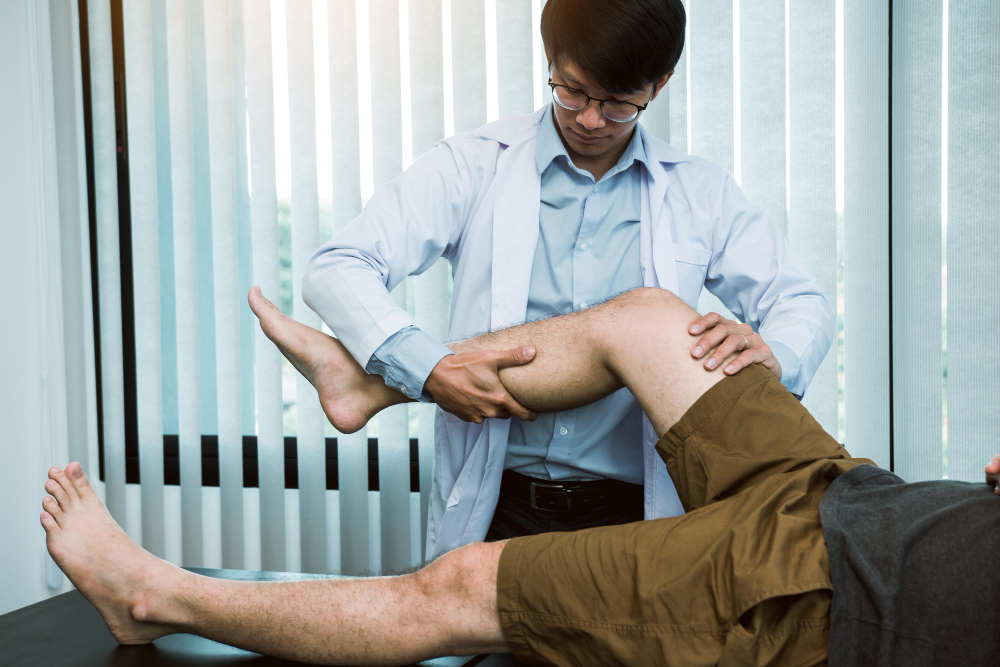
Many people feel nervous before surgery. However, there is a way to prepare your body and mind. Prehabilitation for orthopaedic surgery is a special program that helps you get ready. It uses physiotherapy and other methods to boost your strength and health. In fact, starting physiotherapy before surgery can make recovery smoother and faster. This guide explains how prehabilitation works and why it matters for your surgery journey.
What Is Prehabilitation?
Prehabilitation, often called “prehab,” is a plan you start before surgery. It aims to improve your physical and mental health. For example, you might do exercises, learn about your surgery, and practice healthy habits. Prehabilitation is different from rehabilitation, which happens after surgery. Instead, prehabilitation gets you ready in advance. According to the World Health Organization (WHO), being active before surgery can lower risks and help you heal better.
Why Is Prehabilitation Important Before Orthopaedic Surgery?
Orthopaedic surgery often involves bones, joints, or muscles. Because of this, your body needs to be as strong as possible. Prehabilitation helps you prepare for the stress of surgery. As a result, you may recover faster and with fewer problems. Studies in peer-reviewed journals show that people who do prehabilitation often leave the hospital sooner. They also regain movement more quickly. Therefore, starting a pre-surgery exercise program can make a big difference.
How Physiotherapy Supports Prehabilitation
Physiotherapy is a key part of prehabilitation. A physiotherapist teaches you safe exercises and movements. They also help you set goals and track your progress. For instance, you may learn how to walk with crutches or use a walker. In addition, physiotherapists give advice on pain control and breathing exercises. Because of their training, they know how to keep you safe and motivated. Many people find that physiotherapy before surgery builds confidence and reduces worry.
Key Components of a Prehabilitation Program
Prehabilitation programs are tailored to your needs. However, most include these main parts:
Because each person is different, your physiotherapist will adjust the plan for you.
Benefits of Prehabilitation for Surgery Outcomes
Prehabilitation offers many benefits for people facing orthopaedic surgery. For example, it can:
Because of these benefits, many doctors now recommend physiotherapy before surgery. The Centers for Disease Control and Prevention (CDC) also note that being active before surgery helps with recovery.
What to Expect During Prehabilitation Sessions
During prehabilitation sessions, you will work closely with your physiotherapist. First, they will assess your current health and movement. Next, they will create a plan that fits your surgery and goals. Each session may include:
Because your needs may change, your physiotherapist will adjust the program as you progress.
Tips for Maximizing Prehabilitation Success
To get the most from your prehabilitation program, try these tips:
With the right approach, prehabilitation for orthopaedic surgery can help you feel stronger and more prepared for the journey ahead.
Conclusion
If you are preparing for orthopaedic surgery, consider starting prehabilitation. Contact Motus Physiotherapy Clinic to learn how a tailored physiotherapy plan can support your recovery and boost your confidence.