
Introduction
Stretching is a simple way to keep your body healthy. It means gently lengthening your muscles. Many people use stretching for flexibility and to prevent injuries. When you stretch, your muscles stay loose and strong. As a result, you can move more easily and avoid pain. According to the CDC, regular stretching helps people of all ages stay active and safe.
Benefits of Stretching
Stretching offers many important benefits. First, it improves flexibility. This means your joints move more freely. Second, stretching helps prevent injuries. For example, it can lower the risk of muscle strains and sprains. In addition, stretching can:
Because of these benefits, experts recommend stretching as part of a healthy routine. Injury prevention through stretching is supported by research from the World Health Organization (WHO).
Types of Stretching
There are several types of stretching. Each type helps your body in different ways. For example, you can try:
Because each type has its own use, choose the one that fits your needs best.
How to Stretch Safely
Safe stretching tips can help you avoid injury. Follow these steps for a safe routine:
As you stretch, listen to your body. If you feel sharp pain, stop right away.
Common Mistakes to Avoid
Many people make mistakes when stretching. However, you can avoid these with a few simple tips:
Because these mistakes can lead to injury, always stretch with care.
Tips for Building a Stretching Routine
Building a good stretching routine is easy. For example, you can:
Because regular practice brings the best results, make stretching a daily habit.
When to Seek Professional Advice
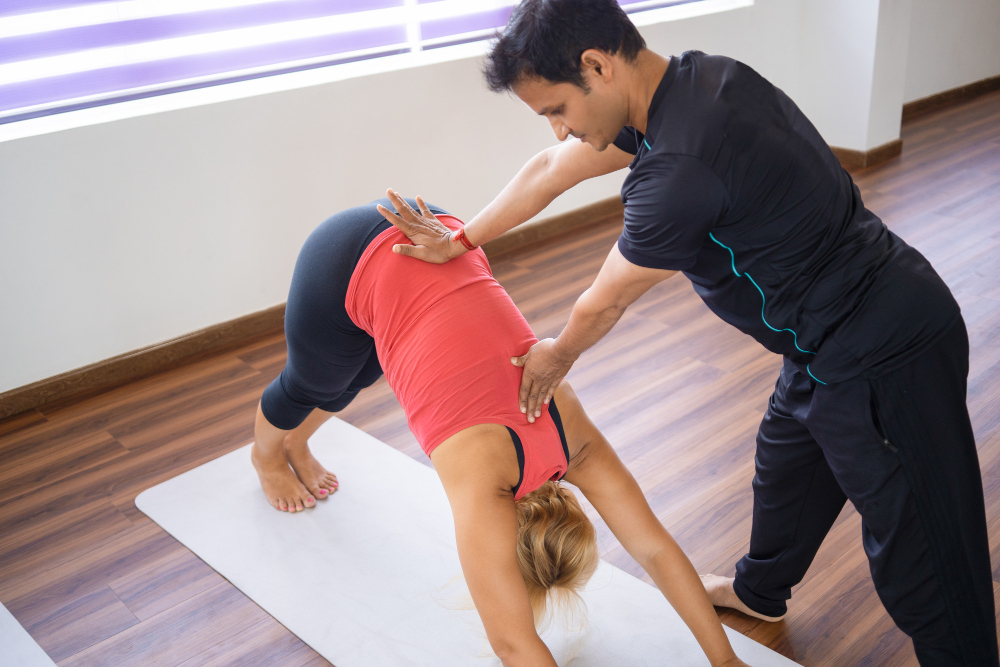
Sometimes, you may need help from a professional. For instance, see a physiotherapist if you:
Because everyone’s body is different, a physiotherapist can give you personalized stretching guidance.
Conclusion
Stretching for flexibility and injury prevention is a smart choice for everyone. With safe stretching tips and a regular routine, you can move better and feel healthier. For the best results, consult a physiotherapist at motus physiotherapy clinic personalized stretching guidance.